

How do you get your brand to shine in a world where attention spans are basically goldfish-level? It’s not just about having a polished logo or a fantastic product (though those certainly matter). The real difference comes from creating authentic emotional connections—and that starts with storytelling. Let’s explore why brand storytelling isn’t just another buzzword but a powerful tool for building genuine connections and growing your business.
Brand storytelling is about creating an emotional connection between your business and the people you’re trying to reach. It’s not just another checkbox on your marketing to-do list—it’s how you show the world what your brand stands for, what you believe in, and why you exist in the first place.
Now, let’s look at a couple of pros in this space—Nike and Apple. Nike’s “Just Do It” isn’t really about shoes, is it? It’s about tapping into that drive and grit that pushes you to take the next step, whether it’s in sports or life. And Apple? They’re not just selling tech; they’re encouraging people to think differently and question the status quo. These brands go beyond their products. They build communities of people who see themselves in those bigger stories.

Humans are wired to respond to stories—it’s just how our brains work. Stories light up multiple areas of the brain, pulling in emotions, memories, and logic all at once. When your brand shares a compelling narrative, it connects with customers on a deeper, more emotional level.
Emotions drive decisions, even in B2B. A tech brand could list its features all day, but what really sticks is a story—like a young entrepreneur using their product to turn a dream into a thriving business. That’s what resonates. In fact, a study by Nielsen shows that emotionally charged ads are twice as effective as purely rational ones.
Oh, and there’s a little science magic here, too! Emotional stories release dopamine, which helps lock in memories. If your audience feels something meaningful, they’re way more likely to remember you. And this isn’t just about pushing products—it’s about creating moments that leave a lasting impression.
Let’s be honest—competition is no joke. But a great story? That’s how you cut through the noise. Tons of businesses sell similar products or services, but your story is what makes you stand out and stick in people’s minds.
Look at Warby Parker. They didn’t just show up to sell glasses. They built a mission-driven story about making stylish eyewear affordable while giving back to communities in need. That narrative didn’t just set them apart—it gave them a purpose customers could rally behind, even in a crowded market.
Your story also highlights your brand’s personality and values, which are things no competitor can copy. Think of it as your emotional moat—a unique shield that protects your brand from blending into the crowd.
Authenticity is what turns customers into true believers. When you share your journey—your wins, your struggles, and the “why” behind what you do—it makes your brand feel real. People want to support businesses that share their values, and storytelling is how you close that gap. Take Ben & Jerry’s, for example. They’re not just scooping ice cream; they’re sharing stories about social justice and sustainability. It’s a big reason why so many people trust (and love) them.
And let’s not forget—being authentic also means owning up when you mess up. No one expects you to be perfect, and pretending otherwise can actually do more harm than good. When you’re open about mistakes and show how you’ve learned from them, it makes your brand more relatable. People respect honesty, and it builds trust in a way that perfection never could. That kind of realness? It’s what keeps customers coming back.
When your story hits home, customers don’t just buy from you—they root for you. They share your brand like it’s their own little secret because, in a way, it feels personal. Great storytelling can do that—it builds a community of loyal fans who are excited to spread the word. Just look at LEGO. They’ve turned everyday customers into passionate ambassadors by celebrating user-generated content and putting their fans front and center in the story.
This kind of advocacy is priceless. Word-of-mouth has always been one of the most powerful marketing tools, and when your story resonates, it gets people talking. It doesn’t just stick with one person—it travels, sometimes to audiences you didn’t even know you needed. That’s the magic of a great story—it grows legs and runs all on its own.
For industries like tech or cybersecurity, storytelling is the ace up your sleeve for turning complex ideas into something people actually get. Let’s be honest—no one’s eager to wade through a sea of jargon. What they care about is how your solution makes their life or business better. Instead of saying, “Our software has advanced encryption features,” try this: share a story about a small company that dodged a major data breach thanks to your tech. Now that’s a message people can see themselves in.
Stories take the abstract and make it real. They add context, meaning, and a sense of purpose, helping your audience understand not just what you do, but why it matters. And if you want to level up, add some visual elements like infographics, case studies, or customer testimonials to bring extra depth and credibility to your story. When you pair technical details with a compelling narrative, you’re not just informing your audience—you’re keeping them interested and eager to learn more.
Here’s the thing: stories have staying power. They’re the kind of thing people don’t forget. In fact, research shows we’re 22 times more likely to remember information when it’s told as a story. That’s some pretty powerful stuff. Think about a brand like TOMS. They’re not just about selling shoes—they’ve built a movement by sharing how every purchase helps provide for someone in need. It’s a simple story, but it’s one people don’t forget because it feels personal.
What makes stories work so well? It’s the way they flow—a beginning that pulls you in, a middle that holds your attention, and an ending that leaves a mark. When you use storytelling to show off your brand’s values, it’s not just easier for your audience to understand—it’s easier for them to care. And if you can tie in a little emotion? That’s where the magic happens. Suddenly, your brand isn’t just another business; it’s something people connect with, root for, and remember.
Now that we’ve covered why brand storytelling matters, let’s break it down into the key ingredients that make a brand story truly impactful:
Focus on these elements, and your brand story won’t just resonate—it’ll inspire action, loyalty, and connection.

Start with the “why.” Why did your brand come into existence? Your origin story is the foundation of your narrative. Think about the challenges, inspirations, or gaps in the market that led to your creation. Be specific and personal—audiences connect with real stories, not generic statements.
Pro Tip: Go beyond the surface and focus on a moment of transformation or realization. This is what makes your story human and relatable.
To-Do List:
Example: If you’re a sustainable fashion brand, jot down the specific experience or data point that opened your eyes to the environmental impact of fast fashion. Was it a documentary? A personal experience? Be vivid and personal.
Understanding your audience is pivotal to crafting a story that resonates. Create detailed customer personas that include demographics, psychographics, pain points, and aspirations. When you know what your audience cares about, you can align your story with their values and challenges.
Pro Tip: Think of your audience like a character in your story. What role do they play, and how does your brand help them on their journey?
To-Do List:
Example: For tech-savvy millennials, emphasize how your innovation simplifies their lives. Example: “Our app doesn’t just track your fitness—it syncs with your life, from meal planning to goal setting, so you’re always one step ahead.”
If you’re interested, I’ve packed all of this into actionable exercises in my FREE 40+ page workbook, “Your Blueprint to Brand Clarity.“
Milestones provide depth and credibility to your story. These could include product launches, partnerships, community initiatives, or major achievements. Don’t just list these events—contextualize them. Explain why they were significant and how they align with your mission.
Pro Tip: Make your milestones personal and show their ripple effects. It’s not just about what happened—it’s about why it matters.
To-Do List:
Example: Instead of saying, “We donated $1 million to charity,” show the faces or share the stories of those who benefited. “We partnered with XYZ Foundation, providing clean water to over 10,000 families—and here’s how it changed their daily lives.”
Your brand story shouldn’t be confined to your “About Us” page. Integrate storytelling into product descriptions, email campaigns, social media posts, and even packaging. Consistency across channels reinforces your narrative and keeps it top-of-mind for your audience.
Pro Tip: Think of your brand story as a golden thread—it should run through every interaction your customer has with your brand.
To-Do List:
Example: If you’re an artisanal coffee brand, feature the farmer’s journey on your Instagram, include the roasting process on your packaging, and share customer testimonials in your email campaigns.
Leverage the power of visuals and sensory details to enhance your story. Use high-quality images, videos, and infographics to complement your narrative. Sensory language can also bring your story to life.
Pro Tip: Show, don’t just tell. Use imagery and sensory details to paint a picture your audience can see, hear, or even smell in their mind.
To-Do List:
Example: Instead of saying, “Our candles smell good,” you might write: “Close your eyes and imagine a crackling fire. That’s the feeling you get with our Winter Glow candle—a warm mix of vanilla and cinnamon that fills your home with cozy comfort.”
A great story evolves over time. As your brand grows, your narrative should adapt to reflect new milestones, challenges, and goals. Regularly revisit your story to ensure it remains relevant and aligned with your audience’s evolving expectations.
Pro Tip: Your story is a living, breathing thing. Keep it fresh and relevant to reflect your brand’s growth and the changing needs of your audience.
To-Do List:
Example: If you started as a local business and have expanded internationally, update your story to highlight this evolution. Share how your local values now shape your global mission.

It’s one thing to craft a great story—it’s another to know if it’s actually working. Measuring the impact of your brand storytelling is key to refining your approach and maximizing results. Here’s how to do it, with real-world examples and actionable tips:
Likes, shares, comments—these little numbers tell you if your audience is connecting with your story or scrolling right past it.
Actionable Tips:
Example: Imagine you’re a fitness brand. You post a video about a customer’s journey from couch potato to marathon runner thanks to your product. If that post racks up shares and heartfelt comments like, “This inspired me to lace up my sneakers,” you know you’re on the right track.
A good story isn’t just heartwarming—it can also drive sales. Look at whether campaigns with strong narratives lead to more clicks, purchases, or sign-ups.
Actionable Tips:
Example: Patagonia doesn’t just sell jackets—they sell a mission. When they tell stories about conservation efforts tied to their products, customers feel like their purchase is part of something bigger. That emotional hook drives conversions like crazy.
Want to know how your audience really feels about you? Keep an eye on brand sentiment through social media chatter, reviews, and surveys.
Actionable Tips:
Example: Dove’s “Real Beauty” campaign is a perfect example. By sharing authentic stories and celebrating diversity in beauty, they’ve built a wave of positive sentiment. Words like “empowering” and “authentic” are frequently associated with their brand, showing just how much their storytelling resonates.
Loyal customers aren’t just drawn to your products—they’re sticking around because your story means something to them. When your narrative resonates, it creates a connection that keeps them coming back.
Actionable Tips:
Example: YETI does this brilliantly. Their storytelling isn’t just about coolers; it’s about rugged outdoor adventures, unbreakable gear, and a community of people who love the wild. By sharing user stories, featuring ambassadors, and connecting with their audience’s passions, YETI turns customers into lifelong fans.
Your story doesn’t just resonate with customers—it should light a fire in your team too. When employees are proud of your story, they’ll share it with the world.
Actionable Tips:
Example: Salesforce’s “Ohana” (family) culture isn’t just a buzzword—it’s a story their employees love sharing. This kind of storytelling creates passionate ambassadors from within.
Brand storytelling isn’t just a marketing strategy; it’s a way to humanize your brand and connect with your audience on a deeper level. In an era of automation and digital interactions, storytelling is what makes your brand memorable and meaningful.
Your story is your superpower. It’s what transforms your brand from a faceless entity into a relatable, trusted partner. So, what’s your brand story? Start crafting it today, and let it be the bridge that connects you to the hearts and minds of your audience.
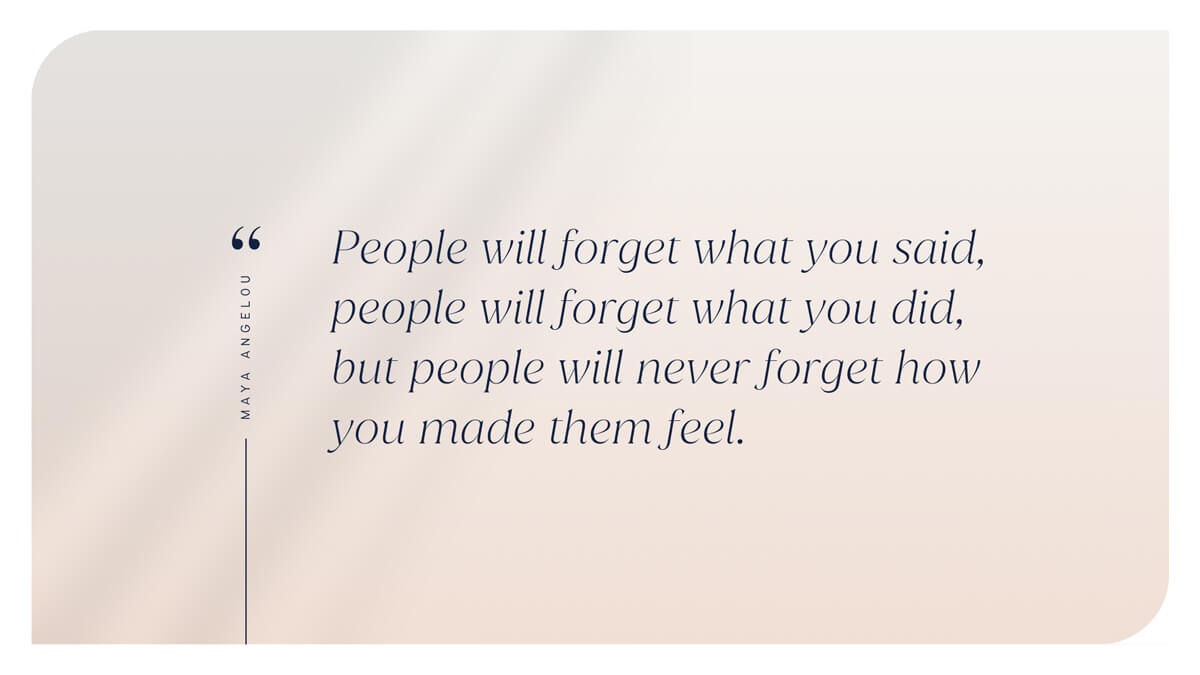
In the words of Maya Angelou, “People will forget what you said, people will forget what you did, but people will never forget how you made them feel.” Let your brand story be the reason your audience feels something unforgettable.
Not sure where to start? Let’s connect! Together, we’ll craft a brand story that stands out, connects deeply, and stays with your audience long after they’ve heard it