
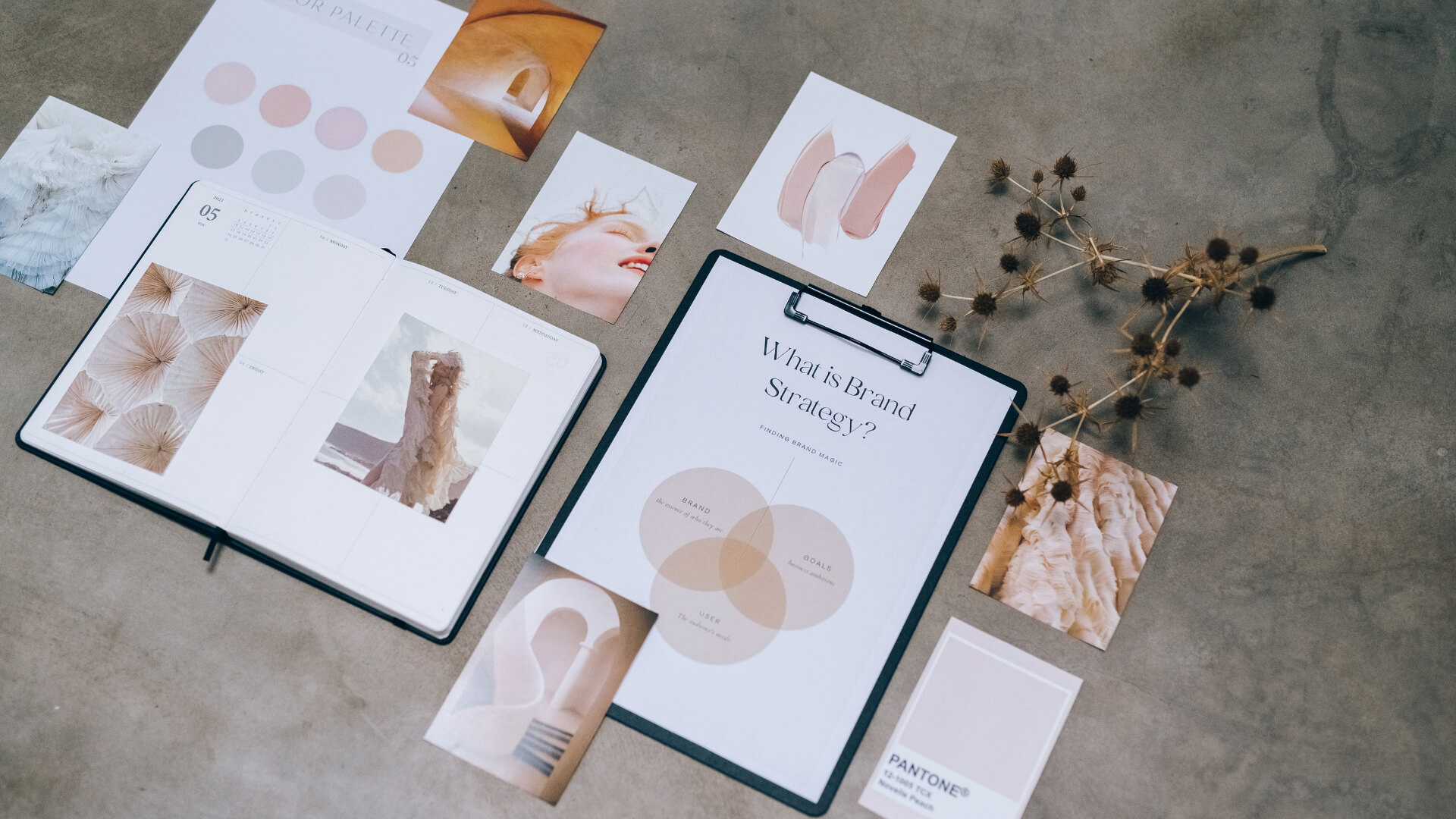
Let’s get one thing straight: the best brands don’t just happen. They’re not born from a random brainstorming session or a clever slogan scribbled on a napkin. Nope. The secret? It’s a solid brand strategy—a plan that ties everything together, like the thread holding a great outfit together.
But what exactly is a brand strategy? And why does it matter for your business? Think of it as your brand’s GPS. It’s there to guide your decisions, keep you on track, and make sure you’re not wandering aimlessly into “meh” territory. Whether you’re just starting out or looking to refine what you’ve built, a killer brand strategy is the key to standing out, building trust, and growing your audience. So, let’s dig in.

Here’s the short version: brand strategy is your game plan. It’s the big-picture vision for how your brand shows up in the world and why people should care.
Think of your favourite brands—maybe Apple, Patagonia, or even your local coffee shop that somehow always nails your latte order. They don’t just stumble into greatness. Instead, they’ve carefully thought about their mission, their audience, and what makes them special. That’s a brand strategy in action.
For example, Patagonia isn’t just an outdoor clothing company. Their strategy is built around sustainability and activism, and it shows in everything they do—from their product materials to their marketing campaigns. Clearly, they’re not just selling jackets; they’re selling a movement.
Discover the story behind Patagonia: The Brand Story of Patagonia
Imagine meeting someone who seems cool one day, but the next time you see them, they’re acting totally different. Confusing, right? That’s what inconsistent branding feels like to your audience.
A strong brand strategy ensures your visuals, messaging, and tone stay consistent. And consistency builds trust, which is everything in today’s world, where people are constantly bombarded with choices.
Let’s face it—there’s a lot of noise out there. However, a solid brand strategy helps you find your unique edge. It’s what makes your brand the go-to option instead of just another name in a sea of competitors.
Without a brand strategy, you’re basically winging it. (Spoiler: winging it doesn’t usually end well.) Your strategy serves as your compass, guiding everything from how you design your logo to how you talk to your audience.
People don’t just buy products; they buy feelings. Whether it’s excitement, security, or that warm fuzzy feeling of belonging, a strong brand strategy helps you tap into what your audience really cares about. And when people feel connected to your brand, they’re much more likely to stick around.
Your mission is why you do what you do. Meanwhile, your vision? That’s where you’re headed. Together, they’re like the foundation of your brand strategy. Without them, you’re just guessing.
If you try to speak to everyone, you’ll end up connecting with no one. A great brand strategy starts with getting to know your audience—their goals, challenges, and what keeps them up at night.
For example, Lululemon knows their audience isn’t just buying yoga pants; they’re buying into a lifestyle of health, community, and self-improvement. That understanding shapes everything they do, from their product design to their social campaigns.
Learn more about LuluLemon’s unique proposition (or strategy) here: Our Unique Proposition
Your brand positioning is basically answering the question, “Why you?” In other words, what makes you different from the competition? And why should people choose you over them?
Are you fun and quirky, or professional and serious? Your tone of voice is how your brand sounds in every piece of communication, from your website copy to your social media captions.
For example, Wendy’s X (Twitter) tone is all about sass and humour, which has helped them stand out in the fast-food world. Clearly, they know their audience and aren’t afraid to let their personality shine.
Check out Wendy’s X feed here: WendysCanada
This includes your logo, colour palette, typography, and overall design aesthetic. It’s what people see first—and let’s be honest, first impressions matter more than we’d like to admit.

Why does your brand exist? Who are you helping? Answering these questions will guide every decision you make and ensure your strategy has focus.
Research your audience and competitors. What do they care about? What are your competitors doing (or not doing)? The more you know, the stronger your strategy will be. Plus, this research will help you uncover opportunities you might not have considered.
If your brand were a person, who would they be? This helps you create a personality that feels relatable and authentic.
Your style guide is like a cheat sheet for keeping your brand consistent. It should include your logo usage, colours, fonts, tone of voice, and any other guidelines that keep your brand looking and sounding like you.
Here’s the thing: your brand strategy isn’t set in stone. Your business will grow, your audience will evolve, and your strategy should adapt along the way. So, think of it as a living, breathing document that evolves with you.
At the end of the day, brand strategy is the key to building a brand people remember, trust, and love. It’s your chance to say, “This is who we are, and this is why we matter.”
If you’re ready to create a brand strategy that works as hard as you do, let’s chat. Whether you’re starting fresh or giving your brand a makeover, I’m here to help you create a roadmap for success—and maybe even have some fun while we’re at it.